Field Notes
Stories, observations, and discoveries from a life examined.
Welcome to my collection of Field Notes—an evolving assortment of stories, questions, reflections, and occasional adventures in human behavior.
Some begin with everyday experiences: an irresistible bargain, a frustrating transaction, a family encounter, or a moment of unexpected clarity. Others explore the larger systems we create, the incentives that shape our choices, and the ways we care for—or sometimes fail—ourselves and one another.
Through Dancing with Dragons, I connect the personal with the systemic, the serious with the absurd, and the lessons of the past with the possibilities of the future. I write with curiosity, humor, and a willingness to question my own assumptions along the way.
These aren't necessarily finished conclusions. They're observations from a life still unfolding, invitations to look a little closer, ask better questions, and perhaps discover a wiser way forward.
The dragons are everywhere. Sometimes the most interesting ones are our own.

Closet Confessions: FINAL SALE and New Beginnings
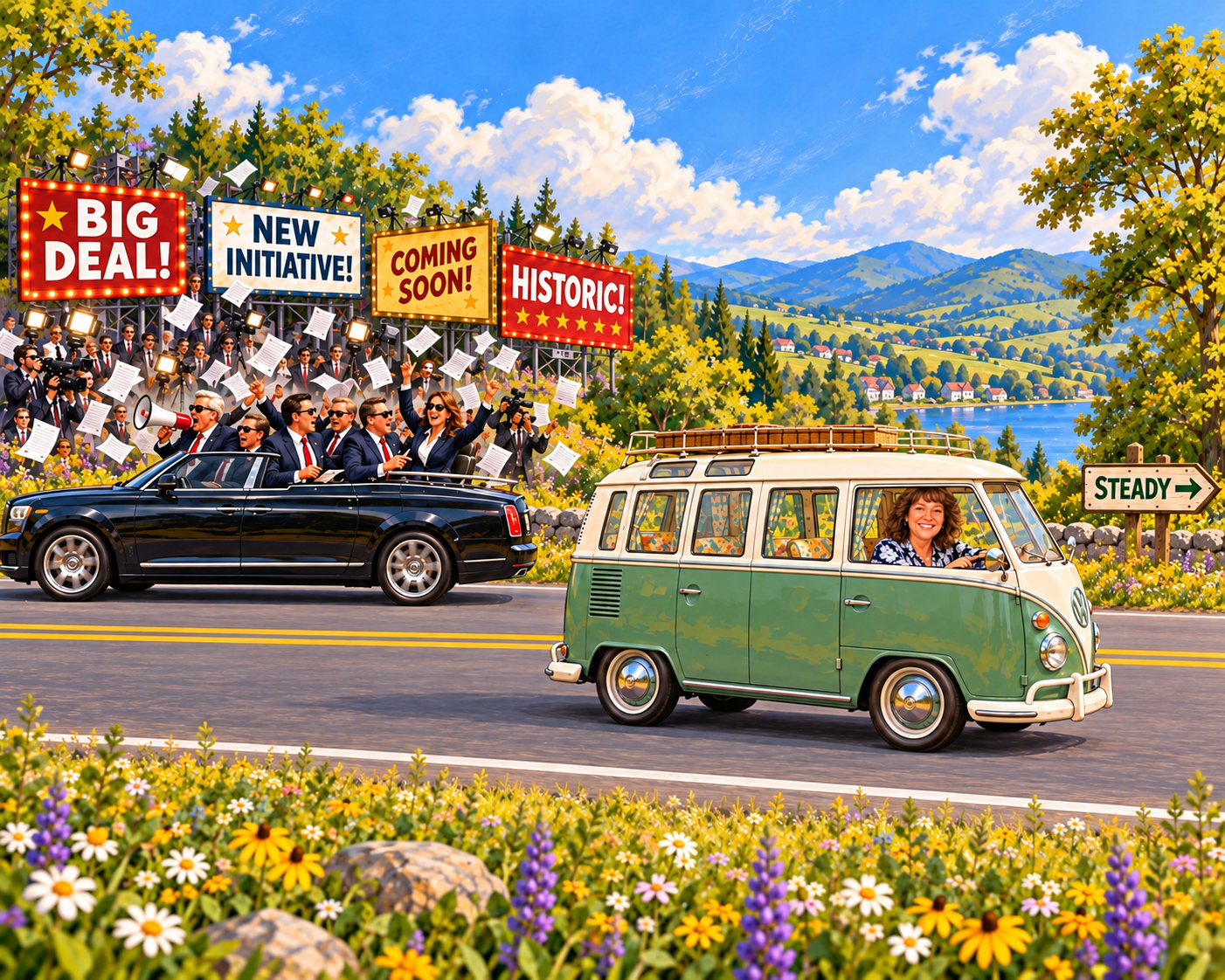
A designer label, an impressive price tag, and an irresistible deal—what could possibly go wrong? Three dresses later, my closet offered a lesson with implications well beyond my wardrobe. From online shopping to corporate boardrooms and government spending, Needs before solution asks us to pause before committing: What do we actually need, does this fit, and what will it cost to change course?
Duties, Tariffs and the Wallet that Met the Complexity Dragon
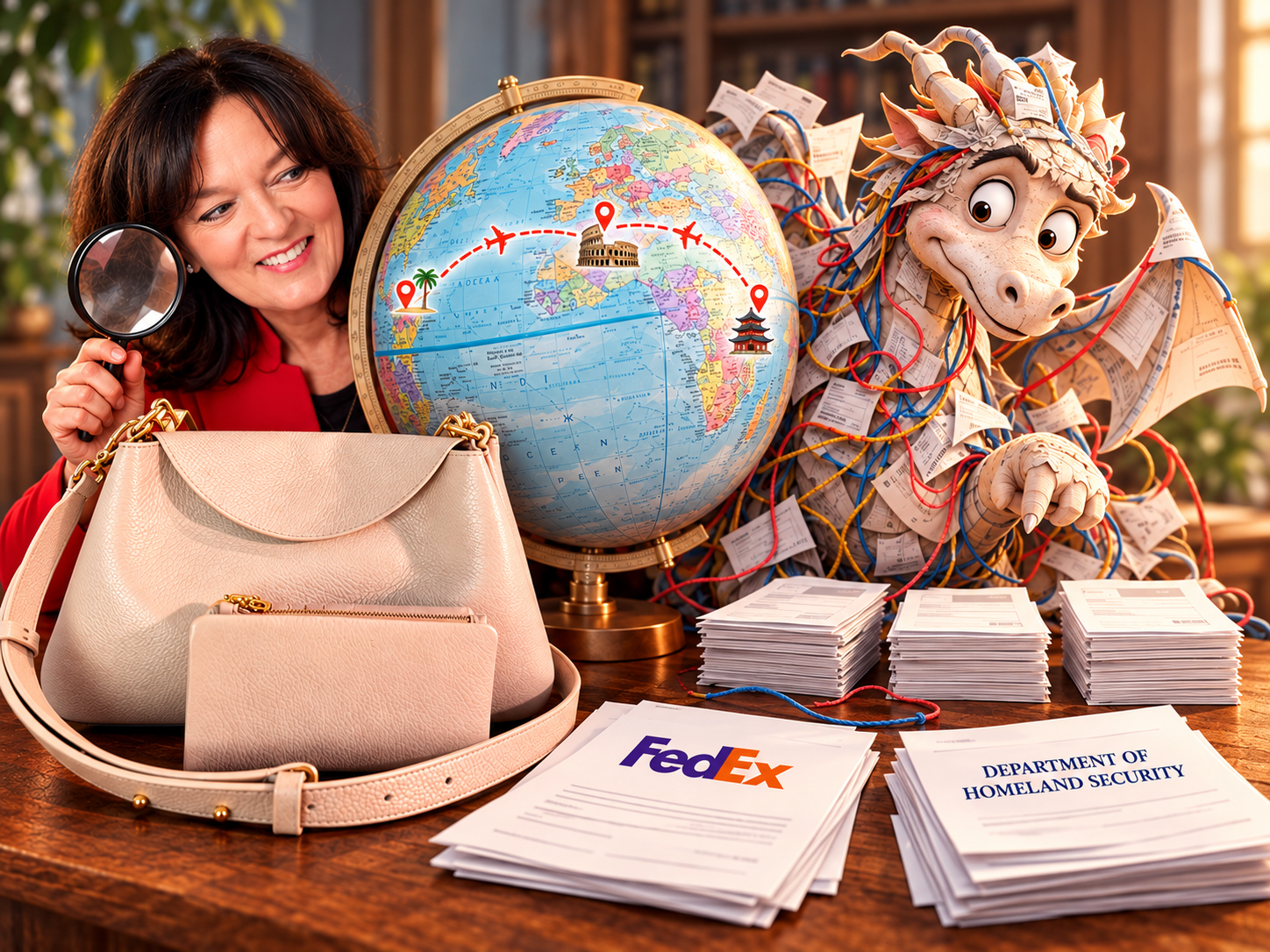
A $145 wallet shipped from Italy with a “Made in PRC” tag. Its FedEx bill brought $14.50 in duty, a $17.50 fee, and three nine-page mailings. I followed the paper trail to ask what this one purchase cost everyone along the way—and how we might take some weight off the economic dragon’s back.

Protecting Humanity without Making Ai the Dragon
Artificial intelligence does not arrive carrying its own moral compass. It amplifies the intentions, incentives, wisdom, ignorance, and wounds of the human beings who build it, direct it, and use it.
The Customer Is Not Always Right
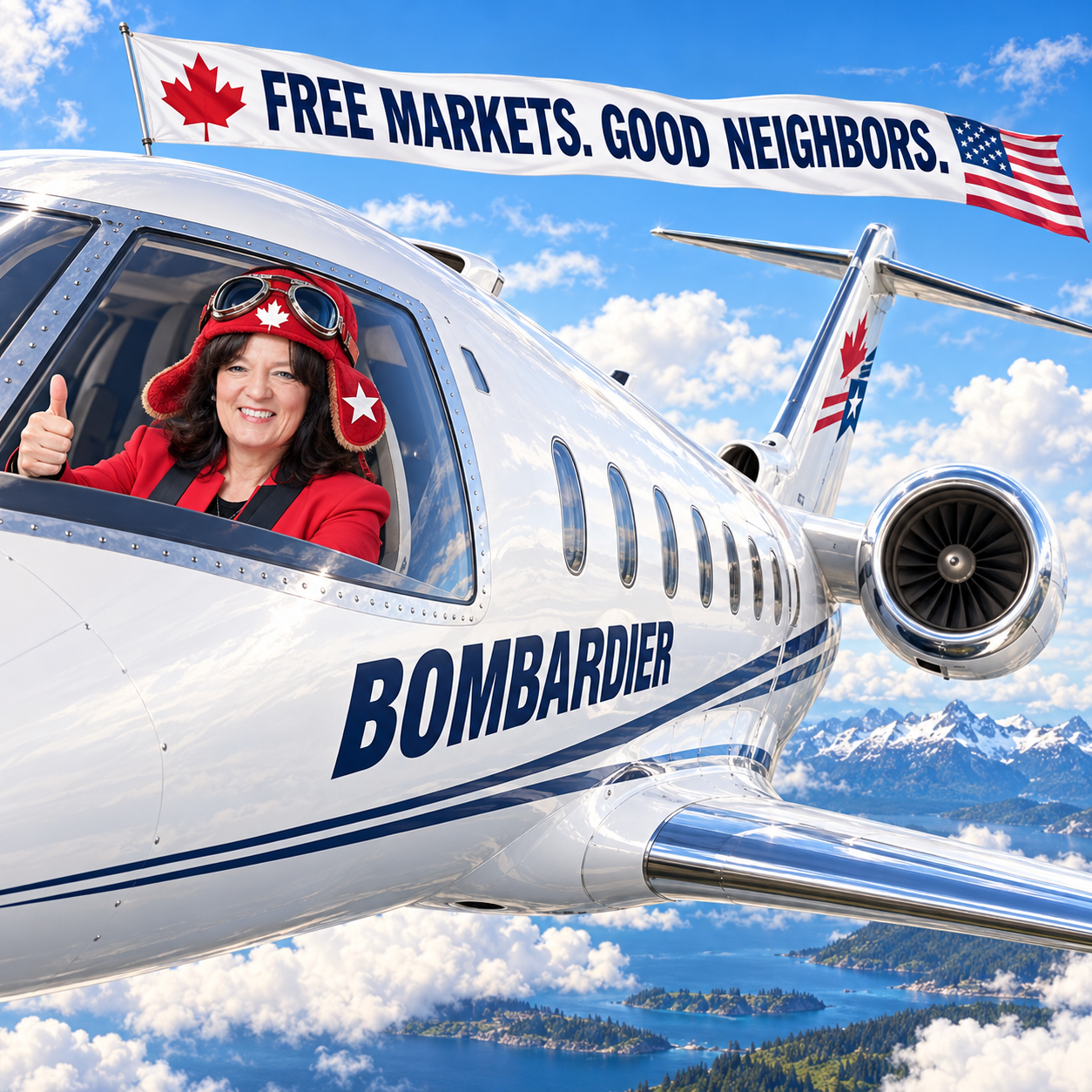
Consumer Diana isn’t buying a private jet—but one sweeping claim sent her researching Bombardier’s remarkable Canadian heritage and deeply integrated American supply chain. What she discovered raises larger questions about customer power, worker dignity, free markets, and what it means to be good neighbors.

Good Neighbors. Better Together.
A Labor Day reflection on work, leadership, and the enduring relationship between Canada and the United States. We may fly different flags and sometimes disagree, but good neighbors remember what they share—and that cooperation is not weakness. There is room for everyone to win.
The Surprise Party That Never Ends
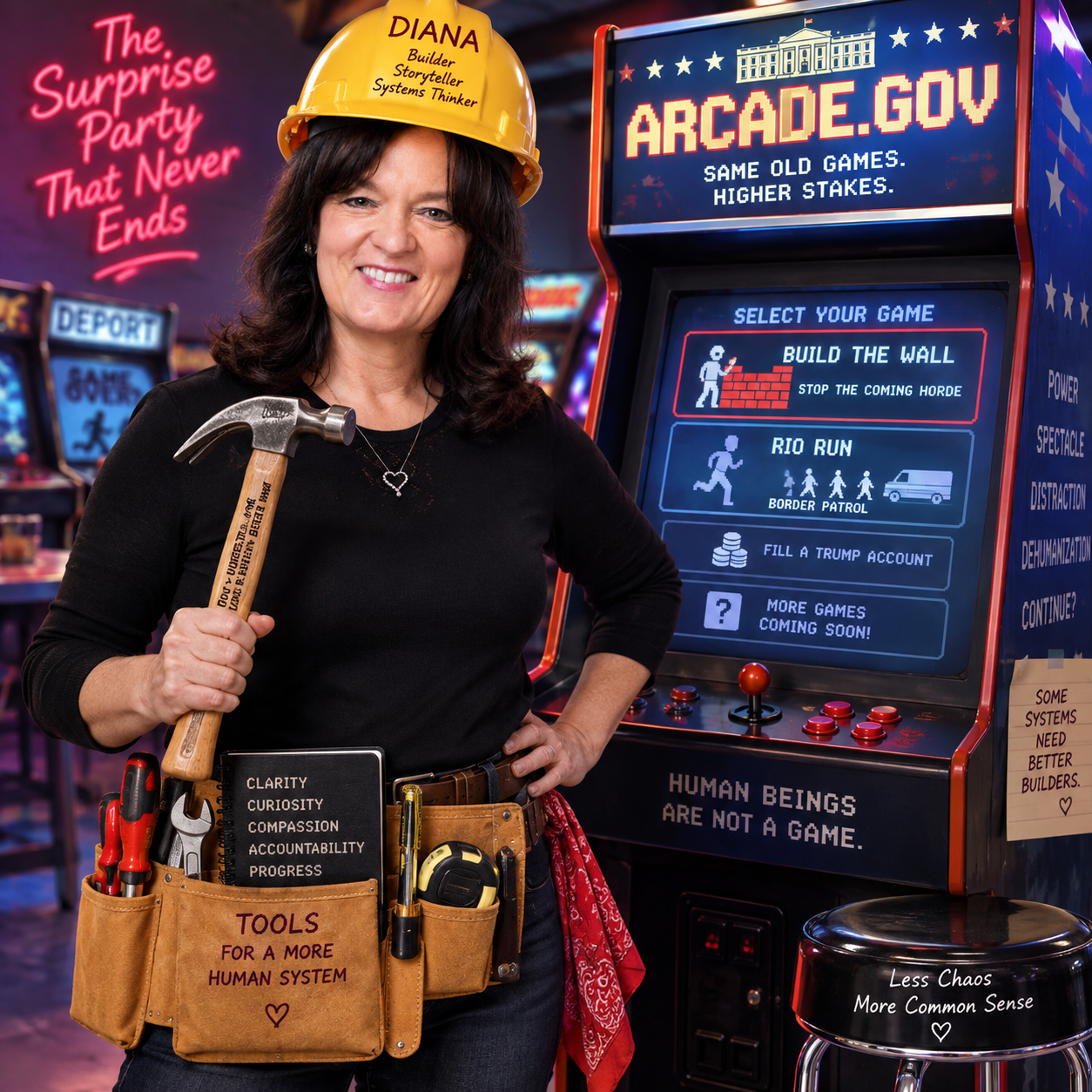
What happens when the exercise of government power over human beings becomes entertainment? Some surprises are funny. Others are signals that it may be time to open the toolbox and inspect the system.

Where Is All the Water Going?
Water doesn’t simply disappear. So where does it go?
A vivid dream about drought led me to a deceptively simple question—and then to bigger questions about water, agriculture, industry, AI data centers, growth and stewardship. AI helped me sort through the information. It couldn’t decide which questions humanity should be asking.
That’s still our job.


Letter to the Vatican: On Conscience, Formation, and the Spirit of Discernment
A public letter to Pope Leo XIV written in the spirit of witness and service—exploring conscience, annulment, moral formation, and the Church’s call to cultivate creative and critical thinking rooted in love.

On Fear, Enemies and the Illusion of Control
“Nervous systems pushed into constant fight-or-flight cannot produce stable leadership.”

A Nation in Fight-or-Flight
“The Middle Way is not neutrality. It is discipline—of speech, of power, and of the nervous system.”

A Middle Way Appeal on Justice and Stewardship
Justice is not measured by how forcefully it is wielded, but by how carefully it is restrained. When balance is modeled at the top, trust becomes possible below.

On Fissures, Family and the Limits of Forgiveness
“What we call fissures may, in fact, be the places where armor had to bend.
Forgiveness can heal fissures but is often misused when it comes with conditions.”


On Power, Discernment, and the Restoration of Balance
“Good people can fall under destructive spells—and redemption is possible when those spells are broken.”

